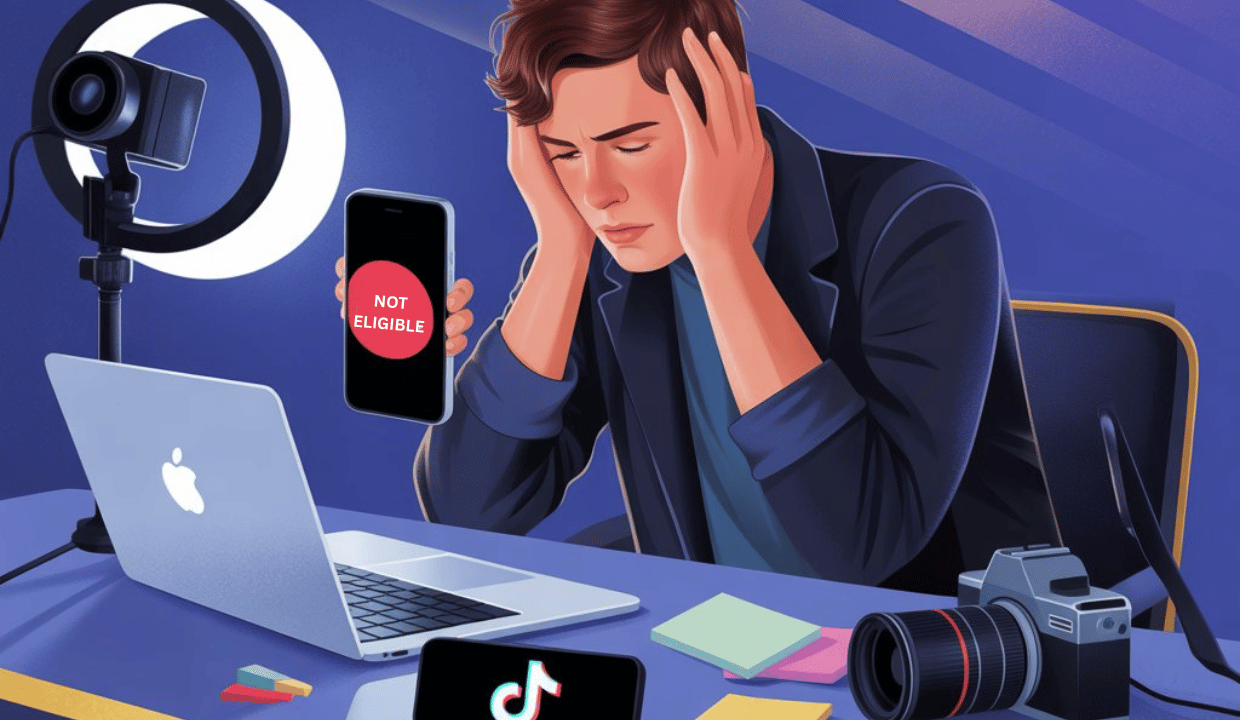
Most creators assume monetization eligibility is just about followers, region and account type. But even if you pass all of those, Instagram can still block your earnings because of one important layer: Content Monetization Policies (CMP)
CMP decides whether a specific piece of content can earn, even when your account itself is eligible.
That’s why you can have:
- 50,000 followers
- A solid professional account
- Subscriptions unlocked
- Gifts enabled
…and still have your Reels marked “Not eligible for ads or payouts” if the content doesn’t meet CMP standards.
CMP is stricter than Community Guidelines.
You can stay on Instagram, grow on Instagram and still be excluded from earning on Instagram.
This guide breaks down CMP in plain language, with examples so you can see exactly which types of content block monetization.
If you want the full picture of all the monetization rules, you can also read my guide on Instagram monetization requirements for 2026.
1. What Content Monetization Policies are (and why they matter so much)
CMP exists because advertisers don’t want their ads showing up next to content that feels unsafe, misleading or overly controversial. And since Instagram’s monetization tools depend on advertisers, the platform applies much stricter rules to monetized posts than to regular content.
These rules cover things like safety, accuracy, originality, legal compliance and who your content is aimed at. In short, CMP is there to make sure anything that earns money is brand-safe.
Here’s a simpler way to look at it:
- Community Guidelines decide if your content can stay on Instagram.
- Content Monetization Policies decide if your content can make money.
You can violate CMP without violating any visible rules.
2. The core sections of Instagram’s Content Monetization Policies
Instagram’s CMP has 6 major pillars:
- Content must be original or properly authorized
- Content must be safe for advertisers
- Content must not mislead or deceive
- Content must not contain questionable or sensitive topics
- Content must respect intellectual property and licensing
- Content must be properly disclosed when sponsored
Let’s go through each in detail with examples.
1. Originality: recycled content often becomes “not eligible”
Instagram heavily prioritises original content. Monetized posts must be your own work.
Content that disqualifies monetization:
- Reposted TikToks or Shorts
If you repost your own TikToks with a watermark, Instagram often flags them as recycled.
- Compilations of other creators
Fitness routines, recipes, dance compilations or “best moments” made from other creators’ clips violate CMP.
- Meme pages that repost without transformation
Even if the meme is funny, it does not qualify for monetization unless you own or created it.
- AI content that looks spammy
Using AI voiceovers, AI face syncs or AI generated slideshows without human input can reduce eligibility. AI is allowed, but spammy AI content is not monetizable.
- Unlicensed music
Even if Instagram does not mute it, using copyrighted music you do not have rights to can disqualify your Reel from ads.
Example:
If you post a Reel that is your face, your voice, your footage, or your concept…it qualifies.
If you post a Reel that contains movie clips, celebrity footage, trending TikTok memes, footage from news events, someone else’s vlog, or commercial music you imported manually…it often does not qualify, even if it goes viral.
How to fix:
- Use your own camera footage
- Record your own sound or use Instagram’s licensed music
- Add transformation (voiceover, commentary, educational overlay)
- Keep your content uniquely yours
2. Brand safety: advertisers avoid risky or sensitive content
Even if your post does not break Community Guidelines, advertisers might consider it “unsafe.”
Instagram removes monetization from content that is:
- Sexual or suggestive
Instagram is cautious with anything that leans into sexual themes or overly suggestive presentation. Even when it’s harmless or part of a trend, advertisers usually avoid placing ads next to this style of content.
Examples:
- lingerie try-ons
- explicit dancing
- thirst traps
- overly sensual posing
- adult humour
- revealing transitions
These may stay on the platform but will not earn money.
- Violent or graphic
Instagram is very strict about monetizing anything that looks violent, graphic or physically disturbing. Even if you’re sharing it for awareness or education, advertisers usually won’t place ads next to this type of content.
Examples:
- fight videos
- injury close-ups
- disturbing news content
- blood, wounds or medical procedures
- self-harm discussions
Even educational content about these topics often leads to monetization restrictions.
- Dangerous behaviour
Instagram doesn’t monetize content that shows or encourages behaviour that could get someone hurt. Even if it’s meant to be funny or entertaining, advertisers avoid anything that feels unsafe.
Examples:
- risky stunts
- extreme pranks
- unsafe challenges
- drinking excessively on camera
- illegal activities
- driving dangerously for a video
Instagram avoids monetizing content that could be copied by kids or minors.
- Highly emotional or disturbing topics
Instagram is cautious with content that deals with emotionally heavy or distressing situations. Even if the intention is educational or supportive, these posts often get flagged as unsafe for advertisers.
Examples:
- trauma stories
- abuse discussions
- crime analysis
- stories involving death
- intense arguments
Brands avoid content that emotionally destabilises viewers.
How to fix:
Shift your content toward educational, lifestyle, aesthetic, safe challenges, tutorials, storytelling without dark elements, informative Reels, or positive value content.
3. No misleading, exaggerated or false claims
Instagram strictly blocks monetization for misleading or unverifiable claims, especially in health, fitness, beauty, finance, medical advice, supplements, weight loss, skincare, trading, crypto, or investment hacks.
Examples of disqualified content:
Health:
Instagram blocks content that makes extreme or unrealistic health promises. Examples include:
- “Drink this to lose 10 kg in 10 days”
- “This supplement cures PCOS”
- “Use this cream to erase wrinkles overnight”
Fitness:
Fitness claims get flagged if they promise instant or guaranteed physical changes. Examples:
- “Do this one exercise to burn belly fat instantly”
- “Spot reduction workouts”
- “Guaranteed abs in 2 weeks”
Finance:
Financial claims are heavily restricted, especially if they sound like guaranteed outcomes. Examples:
- “I made 10,000 dollars in a week with this app”
- “Guaranteed profits with this trading strategy”
- “Do this to retire early without saving”
Beauty:
Beauty content gets flagged when results are exaggerated or manipulated. Examples include:
- “This product completely changes your face in one day”
- Fake before and after photos
- Over-edited results
Why this is strict:
Advertisers want to avoid legal risks and don’t want their brands appearing next to content that makes harmful, exaggerated or misleading claims.
How to fix:
Use phrases like:
- “What worked for me”
- “My experience”
- “This may help some people”
- “Here are the ingredients”
- “Backed by dermatologists”
- “Consult a professional if needed”
Avoid definitive, guaranteed or unrealistic results.
4. Sensitive topics: this content stays on Instagram but cannot be monetized
Instagram automatically restricts monetization on content that involves:
- Politics
Elections, political parties, political criticism, controversial topics, debates, legislation opinions.
- Social issues
Religion, cultural conflict, activism, gender topics, social justice, protests.
- News and crime content
Breakdowns of criminal cases, shootings, murders, kidnappings, serious accidents.
- Medical or mental health struggles
Therapy stories, Trauma, Depression, Anxiety, Medication advice, or Hospital experiences.
- Adult topics
Sexual discussions, Relationships involving minors, Infidelity breakdowns, or Explicit relationship drama
- Alcohol, smoking or substances
Showing alcohol, Smoking, Vaping, Drug use, Promoting bars or adult consumption
This content can exist, but monetization is often disabled.
How to fix:
If you want maximum monetization:
- avoid political angles
- avoid explicit opinions
- avoid crime analysis
- avoid health diagnoses
- avoid adult themed topics
- avoid substances on camera
Choose safe, brand friendly themes instead.
5. Rights usage: you MUST own or license what you post
This is the number one reason creators get surprised by “not eligible.”
Even if the content seems original, Instagram’s system checks for:
- copyrighted music
- copyrighted photos
- commercial songs uploaded manually
- TV show clips
- anime scenes
- movie dialogue
- podcasts clips
- short segments from viral videos
- screenshots of paid content
Using any copyrighted material without rights can remove monetization.
Examples:
- Using Taylor Swift music in a Reel
Even if Instagram does not mute it, your content may not earn money because business accounts sometimes cannot use commercial music.
- Using a screenshot of a Netflix show
Even if you comment on it, monetization may be blocked.
- Using copyrighted background footage
Even 1 second can disqualify the whole video.
How to fix:
- Use only Instagram’s built in music library
- Use copyright free stock footage
- Use original audio
- Add subtitles and your voice
- Make commentary your main value, not copyrighted clips
6. Sponsor transparency: not disclosing paid content kills monetization
If you don’t disclose sponsored posts properly, Instagram treats it as a violation and may restrict monetization features.
- your monetization can be suspended
- your post can be disqualified
- your account can be flagged
Violations include
- hiding the Paid partnership label
- writing “#ad” in tiny text or at the bottom
- misleading audiences about gifted products
- promoting affiliate products without disclosure
- using vague wording that hides the partnership
Correct method
Use Instagram’s Paid partnership tool.
This keeps you safe under both CMP and advertising laws.
Instagram wants to prevent misleading promotions, especially now that so many creators earn through product recommendations. Clear disclosures keep things transparent for both viewers and advertisers.
Real examples of posts that fail monetization
Example 1: A fitness Reel
Hook: “Do this one move to melt belly fat fast.”
Why it fails:
- It makes a misleading health claim
- It promises an outcome that isn’t realistic or medically accurate
- It could create legal or policy issues around body-related claims
A better approach:
“Here are three core exercises that helped me build strength and feel less bloated.”
Example 2: A skincare video
Hook: “This cream will erase your acne in 2 days.”
Why it fails:
- The claim isn’t medically verified
- It promises a guaranteed result for a medical condition
- Advertisers avoid content that makes bold or unrealistic treatment claims
A better approach:
“This is the cream that helped calm my breakouts, here’s how I use it and what actually worked for me.”
Example 3: A relationship video
Hook: “He cheated on me with my best friend, here is what happened.”
Why it fails:
- It leans into emotionally heavy, distressing storytelling
- The topic falls into adult-themed relationship drama
- Advertisers avoid being placed next to content that feels intense or emotionally charged
A better approach:
“Here’s something I learned from a tough relationship experience, sharing it in case it helps someone else.”
Example 4: A food video using commercial audio
Background sound: A copyrighted pop song imported manually.
Why it fails:
- The audio isn’t licensed for monetization, so Instagram treats it as a rights violation
A better approach:
Use music from Instagram’s built-in audio library or switch to original sound so the Reel stays eligible for ads.
Example 5: A crime commentary
“Telling the story of the 2015 XYZ murder case.”
Why it fails:
- The topic is graphic and centred around violence
- The story involves disturbing real-world events
- Crime content is considered high-risk for advertisers
- Brands usually avoid placing ads next to violent or sensitive cases
A better approach:
If you create commentary content, focus on analysis, social lessons or non-violent topics where the tone is informative rather than graphic.
3. How to fix your account if CMP violations blocked monetization
Here’s a simple plan to fix and rework the content so it stays monetization-safe:
Step 1: Clean up your feed
Archive any posts that use risky audio, exaggerated claims or sensitive topics. Clearing out problem content helps your account reset faster.
Step 2: Shift your content direction
Lean into formats that are safe, helpful and easy for advertisers to trust — things like tutorials, routines, lifestyle content, simple tips and aesthetic or value-driven posts.
Step 3: Avoid reposting completely
Only share content you filmed, voiced or edited yourself, or clips you’ve transformed in a meaningful way.
Step 4: Keep your tone brand-safe
Aim for calm, positive, educational or friendly content. Instagram favours creators who keep things light and safe for broad audiences.
Step 5: Use Instagram’s built-in music library
Skip importing songs manually, unlicensed audio is one of the fastest ways to lose monetization eligibility.
Step 6: Stay away from risky niches
Avoid politics, crime stories, adult themes, drug-related topics or financial guarantees. These categories almost always get flagged.
Step 7: Check Monetization status weekly
Instagram updates eligibility on its own, so you’ll see improvements as old violations expire or you clean up your account.
Step 8: Stay consistent for 30 to 60 days
A steady pattern of safe, original content is one of the strongest signals Instagram looks for when restoring monetization.
4. Content Monetization Policies decide whether your videos make money
You can have a great account, strong engagement and high-quality Reels, but if your content violates CMP, Instagram will still mark it as “Not eligible.”
The upside is that CMP is very predictable. If you stay original, brand-safe, educational, compliant and transparent, your monetization usually becomes stable and far more future-proof.
If you want to understand the full system, you can also read: